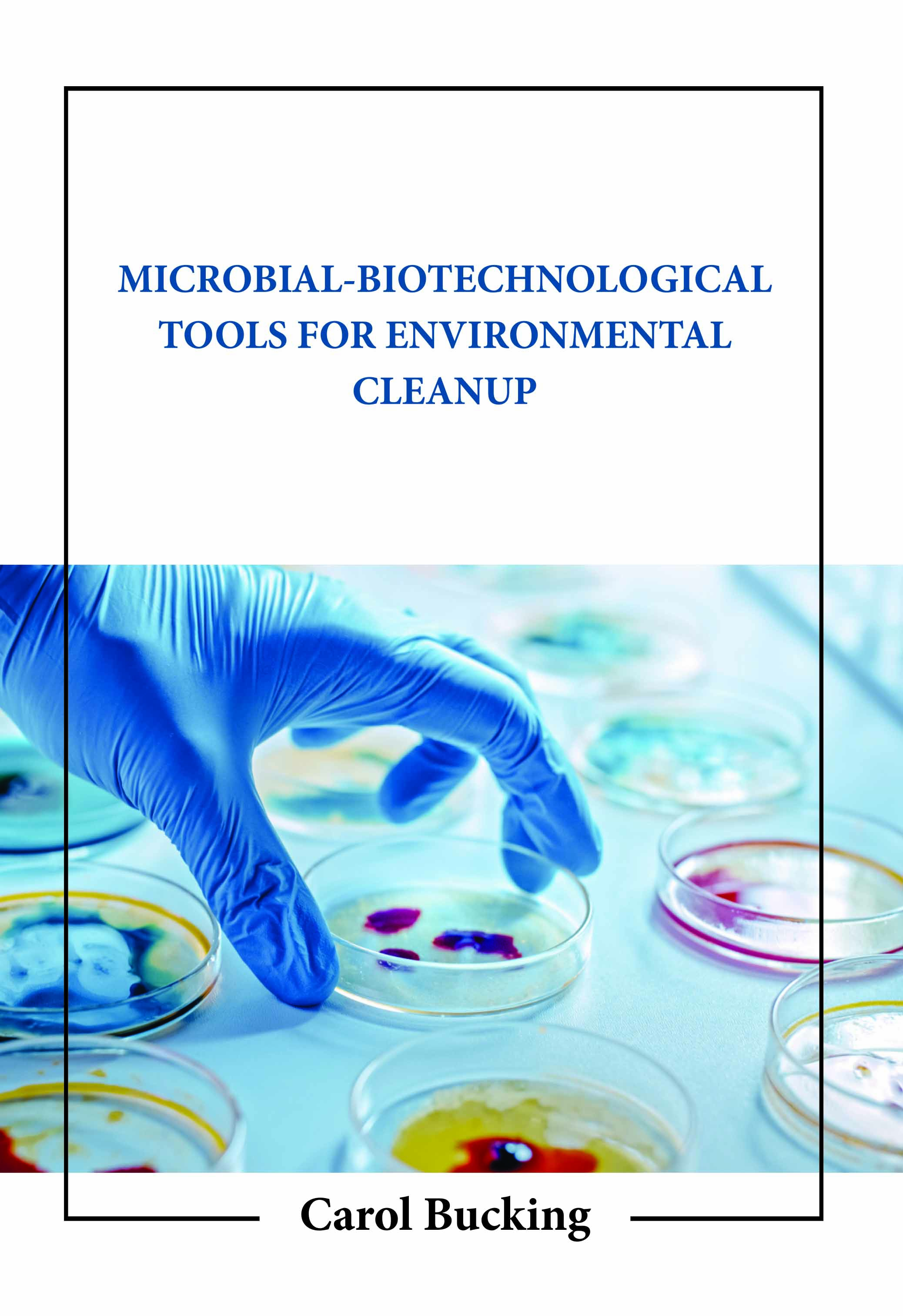
Microbial-Biotechnological Tools for Environmental Cleanup
by Carol Bucking
| ISBN | 9781806245543 |
|---|---|
| Publisher | Digital Drive Learning |
| Copyright Year | 2026 |
| Price | $255.00 |
by Carol Bucking
| ISBN | 9781806245543 |
|---|---|
| Publisher | Digital Drive Learning |
| Copyright Year | 2026 |
| Price | $255.00 |
Biotechnology and environmental microbiology are essential to contemporary society. They affect the environment and human health, produce new bioproducts and are an energy source. The main research fields are bioremediation, microbial communities, disease detection, wastewater treatment, energy production, bioprocesses, and natural product discovery. Numerical modeling, hydrology, biogeochemistry, limnology, oceanography, and environmental microbiology must all interact. Microorganisms for environmental improvements are the focus of the scientific field of environmental biotechnology. It is mainly concerned with enhancing biological systems. It is a multidisciplinary field where specialists concentrate on generating new items and examining them and their relationships, which aids in improving the environment. The smallest organisms, often known as microbes or germs, cannot be seen with the unaided eye. They include viruses, bacteria, fungi, protozoa, and microalgae. Common environments, like soil, water, food, and animal intestines, and more unusual ones like rocks, glaciers, hot springs, and deep-sea vents, are home to microbes. The great diversity of biochemical and metabolic properties that have emerged via genetic variation and natural selection in microbial populations is reflected in the large range of microbial environments. Turning wastewater—water that is no longer required or appropriate for use—into bilge water that can be released back into the environment is known as wastewater treatment. Several actions, such as bathing, washing, bathroom use, and rainfall runoff, all contribute to its formation. Contaminants include bacteria, chemicals, and other toxins that are abundant in wastewater. Its treatment tries to make the water safe for release into the environment by lowering the toxins to acceptable levels. General information regarding environmental science, microbiology, and biotechnology are provided in this book. This book concentrates on using microbiology and biotechnology to address environmental problems, taking into account recent developments in these fields.